The Sensitive Periods of the First Plane
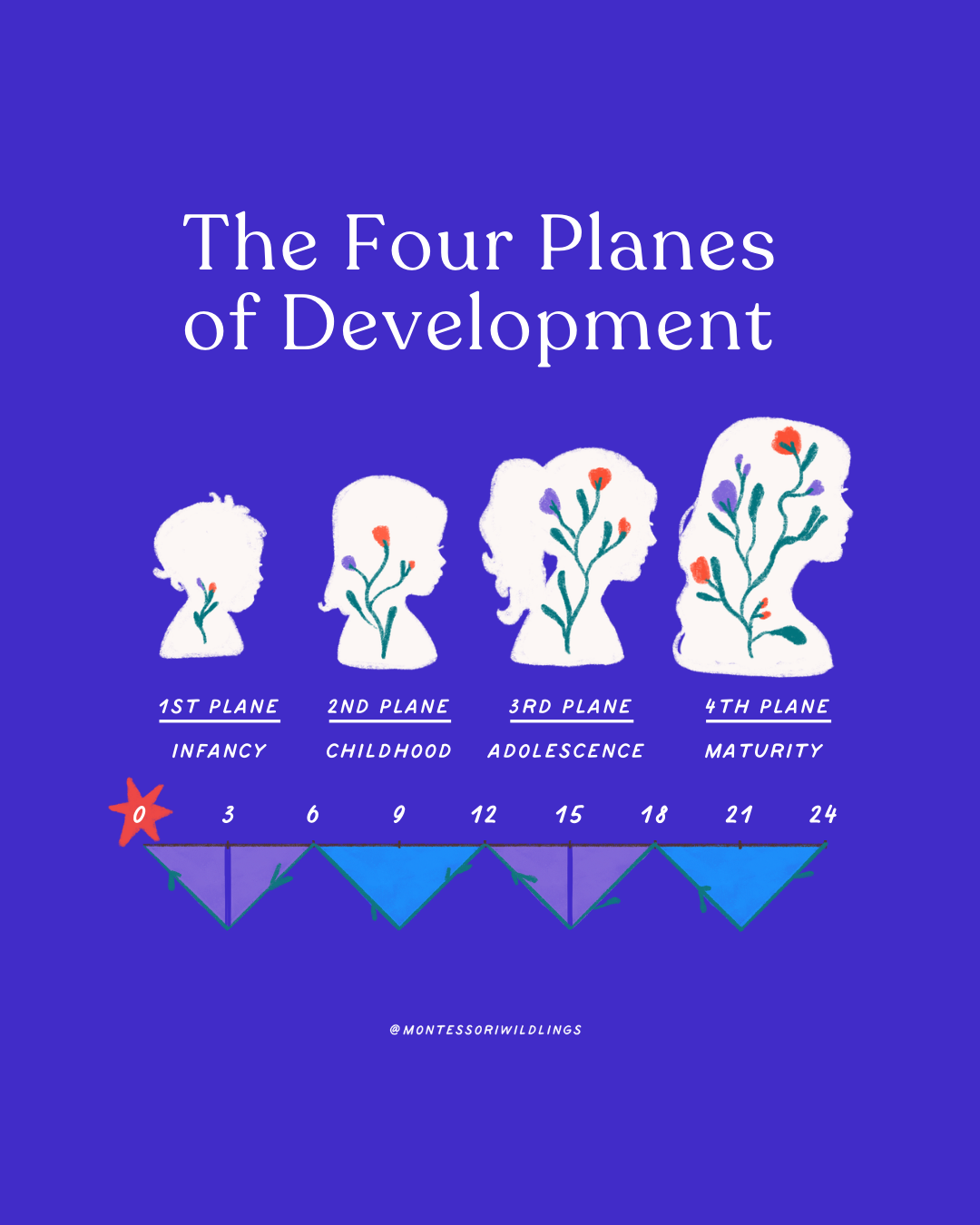
In our last post, we explored Montessori's four planes of development: those distinct phases children move through from birth to adulthood.
But if you've spent any time reading about Montessori, you've probably come across another term that gets mentioned often: sensitive periods.
So what are sensitive periods, and how do they fit with the developmental planes?
Think of the planes of development as the broad stages of childhood. Each lasts about six years and is marked by its own characteristics and needs. Sensitive periods, on the other hand, are windows of opportunity within those stages. They're intense phases when a child's brain is particularly primed to absorb certain skills or knowledge. During a sensitive period, learning happens almost effortlessly. The same skill learned outside that window takes much more effort and repetition.
Maria Montessori observed these periods across cultures and contexts. She noticed that a toddler's fascination with opening and closing containers isn't random. It's a sensitive period for order and refining movement. A four-year-old's endless questions aren't annoying chatter. They're driven by a sensitive period for language.
The key thing to understand: sensitive periods are temporary. They arrive, peak, and fade. Once they pass, that effortless window closes. This is why Montessori education emphasizes following the child. We're trying to catch these periods while they're active.
But here's what sensitive periods are not: rigid checklists or pressure points.
You don't need to panic if you miss a window or feel like you're not maximizing every moment. These periods are simply observations about when learning flows most naturally. If a sensitive period passes, it doesn't mean that skill becomes impossible to learn. It just might require more intentional practice later. Think of sensitive periods as helpful guideposts, not requirements. When we notice them, we can support what's already unfolding. When we don't, children keep learning and growing anyway.
In the first plane of development (birth to six years), children experience several major sensitive periods. These shape how they learn language, develop movement, understand order, refine their senses, and navigate social life. Let's look at each one.

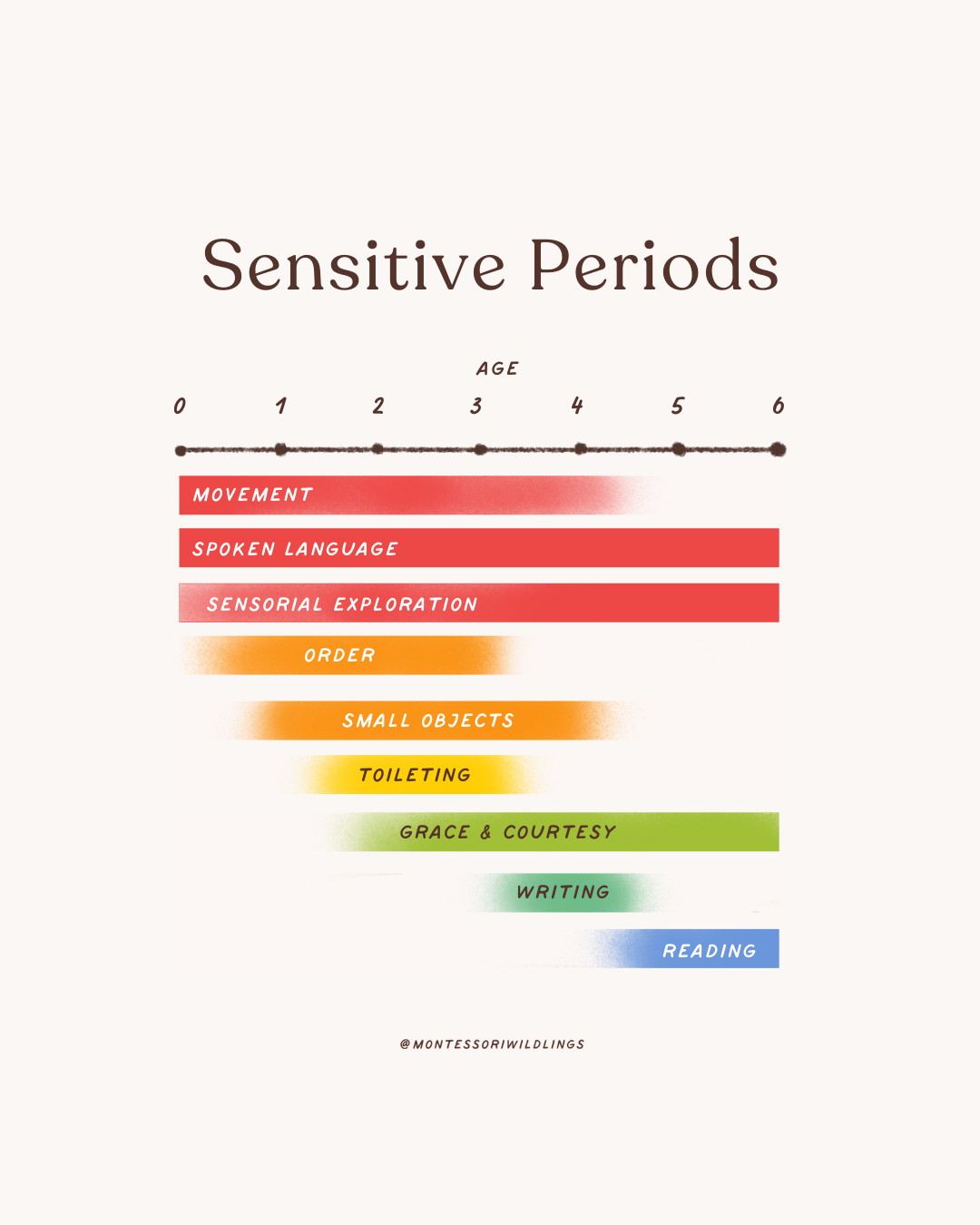
Movement: Birth to around 4.5 years
From the very beginning of life, the child is driven to move.
Montessori observed that the sensitive period for movement begins at birth and continues strongly through the early years, gradually tapering around four to four and a half. During this time, movement is the child’s way of building themselves. Through it, coordination forms, balance strengthens, and confidence grows.
She described this period in two broad phases.
Birth to around 2.5 years is a time of gross motor refinement. Crawling across the floor. Pulling up on furniture. Taking those first unsteady steps. Climbing, falling, trying again. The whole body is engaged in the work of orientation and control.
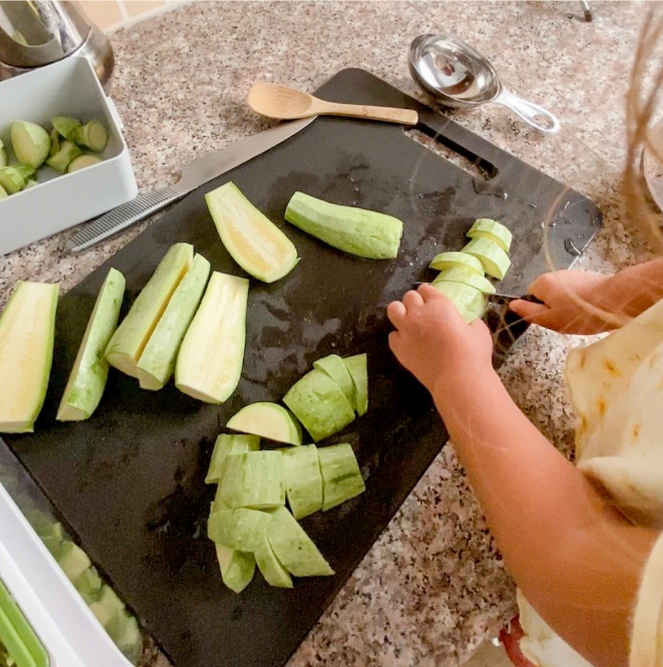
Around 2.5 to 4.5 years, movement becomes more deliberate. Balance improves. The hands begin to work with increasing precision. The child repeats actions again and again, pouring, transferring, buttoning, tracing, carrying, refining each movement until it feels exact.
Montessori wrote that the child constructs the mind through movement. Coordination develops through purposeful activity, and repetition allows control to settle deeply into the body. What may look simple from the outside carries enormous developmental weight.
This is why Practical Life holds such importance in a Montessori environment.
Carrying a chair carefully across the room. Pouring water from one jug to another. Scrubbing a table. Tracing the metal insets. These activities support concentration, independence, and the gradual mastery of the body. As coordination becomes more secure, usually around four to four and a half, the intensity of this motor drive begins to steady. Physical control creates space for something new. The child’s energy can turn more fully toward abstraction and reasoning, supported by the strong foundation that movement has already built.
If you were to map this visually across the first plane, movement would span almost the entire arc from birth onward, rising strongly in the early years and slowly softening as refinement is achieved. The body leads, and the mind follows.
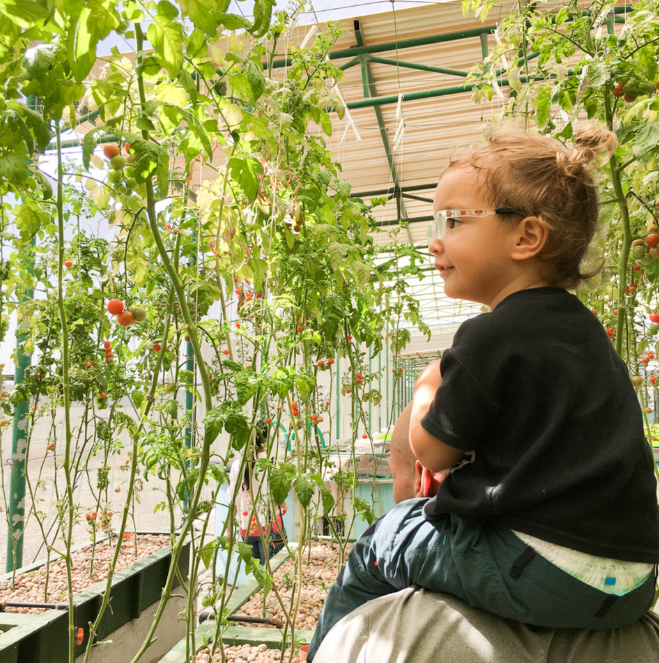
Spoken Language: Birth to around 6 years
From birth, the child is exquisitely sensitive to language. Montessori described the early years as a time when sounds, rhythm, vocabulary, and grammar are absorbed effortlessly from the environment.
In the first years, the child gathers language simply by hearing it. Words are not formally taught; they are taken in, organised, and eventually expressed. Vocabulary expands rapidly in the toddler years, and sentence structure forms naturally from what has been heard. This sensitivity continues throughout the first plane as pronunciation refines and expression becomes more precise. Spoken language becomes the foundation upon which reading and writing will later emerge.
The richness of the language surrounding the child really does matter, because it becomes part of their inner construction.

Sensorial Exploration: Around 2 to 6 years
During the early years, the child is deeply drawn to refining the senses.
Montessori observed that between roughly two and six, children are especially receptive to qualities such as size, shape, texture, colour, sound, weight, and temperature.
Through repeated, hands-on exploration, the child learns to distinguish, compare, and classify impressions from the environment. The senses become more precise, and perception grows clearer. This refinement supports not only order and understanding, but later abstraction. Before the child can think clearly about the world, they must first experience it clearly. Sensorial work helps bring those impressions into focus.
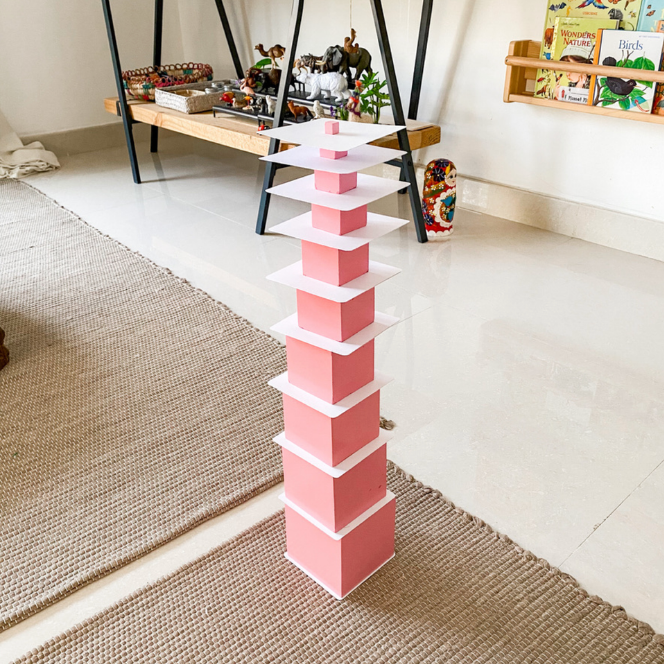
Order: Around 1 to 4 years
During the toddler years, children show a deep need for order.
Montessori observed that young children are especially sensitive to consistency in their environment, routines, and relationships. A familiar place for objects, predictable sequences, and clear structure help the child feel secure.
When order is disrupted, it can feel genuinely distressing because the child is still constructing their internal framework of how the world works. External order supports the formation of inner order.
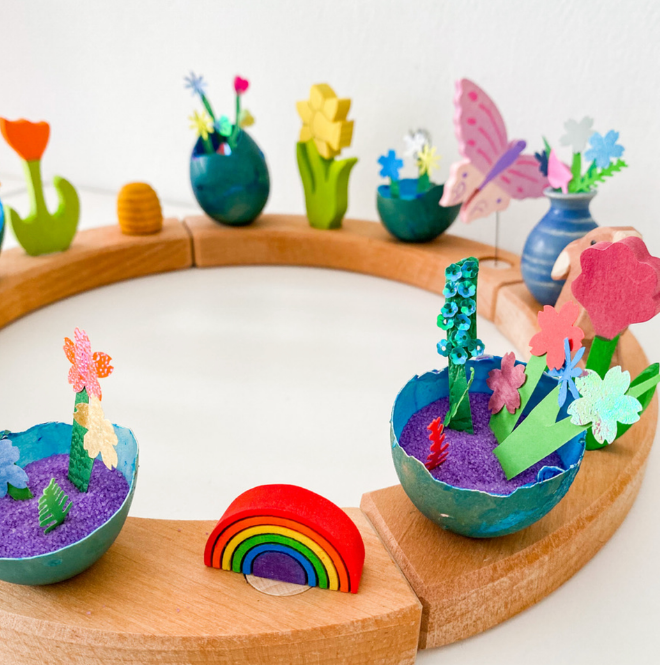
Small Objects: Around 1 to 4 years
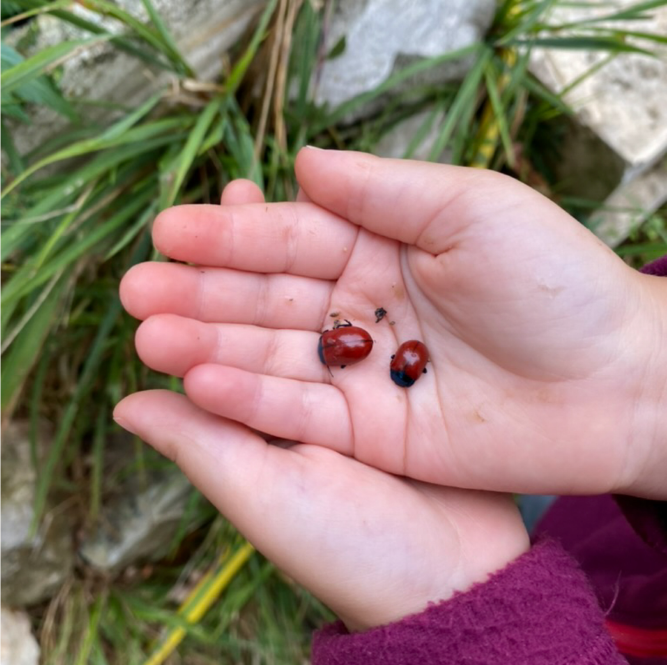
Young children are often captivated by tiny details that adults might overlook. Montessori noted a particular sensitivity to small objects during the early years, when children carefully observe crumbs, insects, threads, or minute features in their surroundings.
This focus reflects a refining attention and a growing ability to isolate detail. Through close observation, the child sharpens perception and concentration.
What seems insignificant to us may be deeply meaningful work to the child.
Toileting: Around 18 months to 3 years
As coordination and body awareness increase, many children show a growing interest in independence in self-care. Montessori linked toileting to the developing control of movement and the child’s natural drive toward autonomy.
With increasing physical control comes the desire to manage one’s own body. Calm support, accessible environments, and respect for the child’s pace allow this process to unfold with dignity.
It is part of the broader work of independence during the first plane.
Grace and Courtesy: Around 2.5 to 6 years
During the later years of the first plane, children become increasingly aware of social relationships. Montessori observed a receptivity to learning how to move and act within community.
Children are drawn to clear, respectful models of how to greet others, wait their turn, offer help, and resolve conflict. When shown gently and consistently, these behaviours are absorbed naturally.
Grace and courtesy help the child feel secure and capable within a social world.
Writing: Around 3.5 to 4.5 years
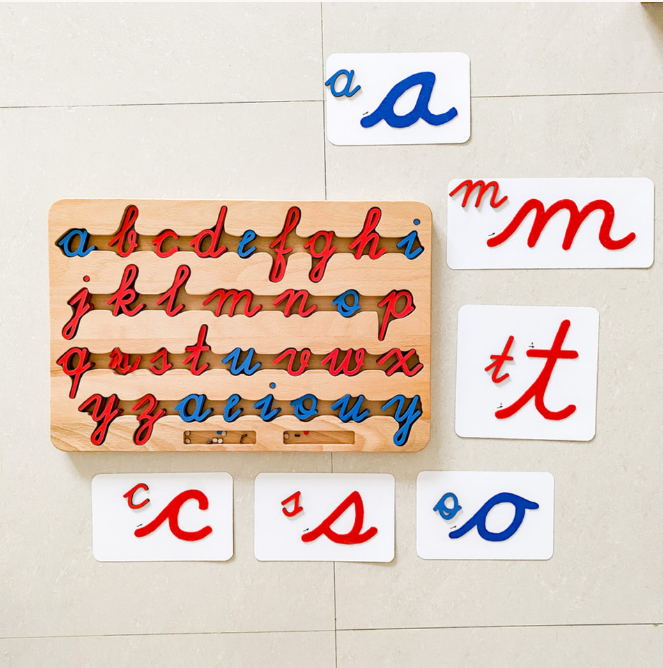
When spoken language is well established and the hand has been prepared through movement and practical activity, writing can emerge with surprising ease. Montessori observed what she described as an “explosion” into writing, often around four years of age.
The child who has refined coordination and internalised sounds may suddenly begin to encode words independently. Writing grows out of movement and language already constructed within. It’s important to note that in the Montessori classroom, writing is done first with the moveable alphabet, not with a pencil or pen. This is because the child’s pincer grip may still be developing, while their phonetic awareness and desire to express language in written form are often ready much earlier.
Reading: Around 4.5 to 6 years
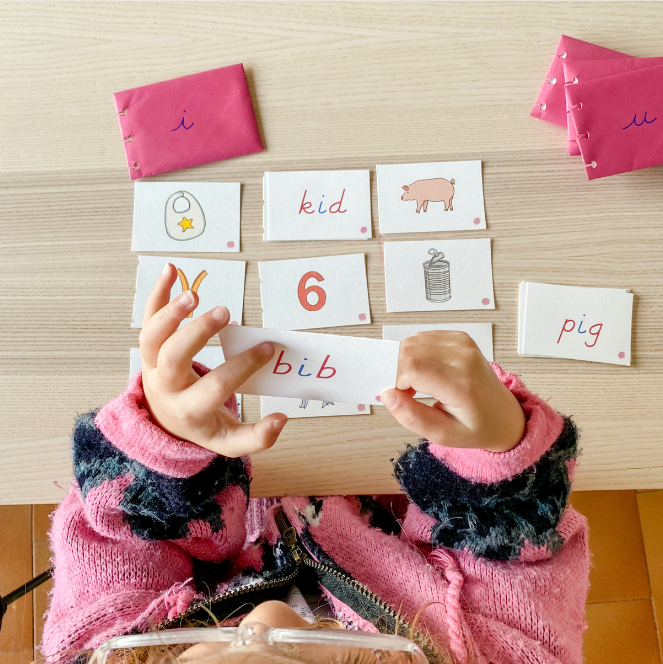
Reading typically follows writing in Montessori’s observations. Once the child has linked sounds to symbols and begun composing words, decoding the written word often unfolds naturally.
This period brings a growing interest in interpreting symbols and finding meaning in text. Reading develops from the strong foundation of spoken language, sensorial refinement, and writing that has already taken place.
It is part of the same unfolding process within the first plane.
Well, That brings us to the close of the sensitive periods within the first plane of development, from birth to six!
Montessori also spoke of sensitivities in the second, third, and fourth planes, though these tend to be broader in nature and less defined by specific timing. The early years remain the most distinct in their intensity and precision.
If you would like to explore any of these sensitivities in more depth, each one will be included in a future curriculum deep dive, where we will look more closely at the theory, the materials, and what this can look like in practice. For now, perhaps the most helpful takeaway is this: observe closely, prepare carefully, and allow development to unfold in its own rhythm!
Explore more from the blog